+40.232.261.950
office@dacorumgrup.ro
Bd. Chimiei, no. 89, Iași, România

With a history of more than 260 years, “Sf. Spiridon” County Emergency Hospital Iași is one of Romania’s most important medical institutions and a landmark of medical care in Iași. Over time, the hospital has been associated with numerous medical premieres and with the development of highly complex surgical specialties.
Within the Plastic and Reconstructive Surgery Clinic, the modernization of medical infrastructure aimed to support surgical activity, postoperative monitoring and the care of patients with severe burns. The project addressed both specialized clinical spaces and essential technical systems required for patient safety and medical team efficiency.
Dacorum Grup contributed through integrated solutions for medical fluid infrastructure, the construction and configuration of spaces with special requirements, the equipping of monitoring areas and the integration of technical elements necessary for the unified operation of the department.
The project included works for several medical areas with high requirements for safety, hygiene, environmental control and operational continuity.

A central component of the project was the execution of medical fluid routes, from sources and main pipelines to reducer panels and final distribution units. These systems are essential for the operation of surgical spaces, monitoring areas and rooms dedicated to patients with critical needs.
Integrated elements:
Through this intervention, Dacorum Grup contributed to the creation of stable, safe medical infrastructure adapted to continuous use within the department.
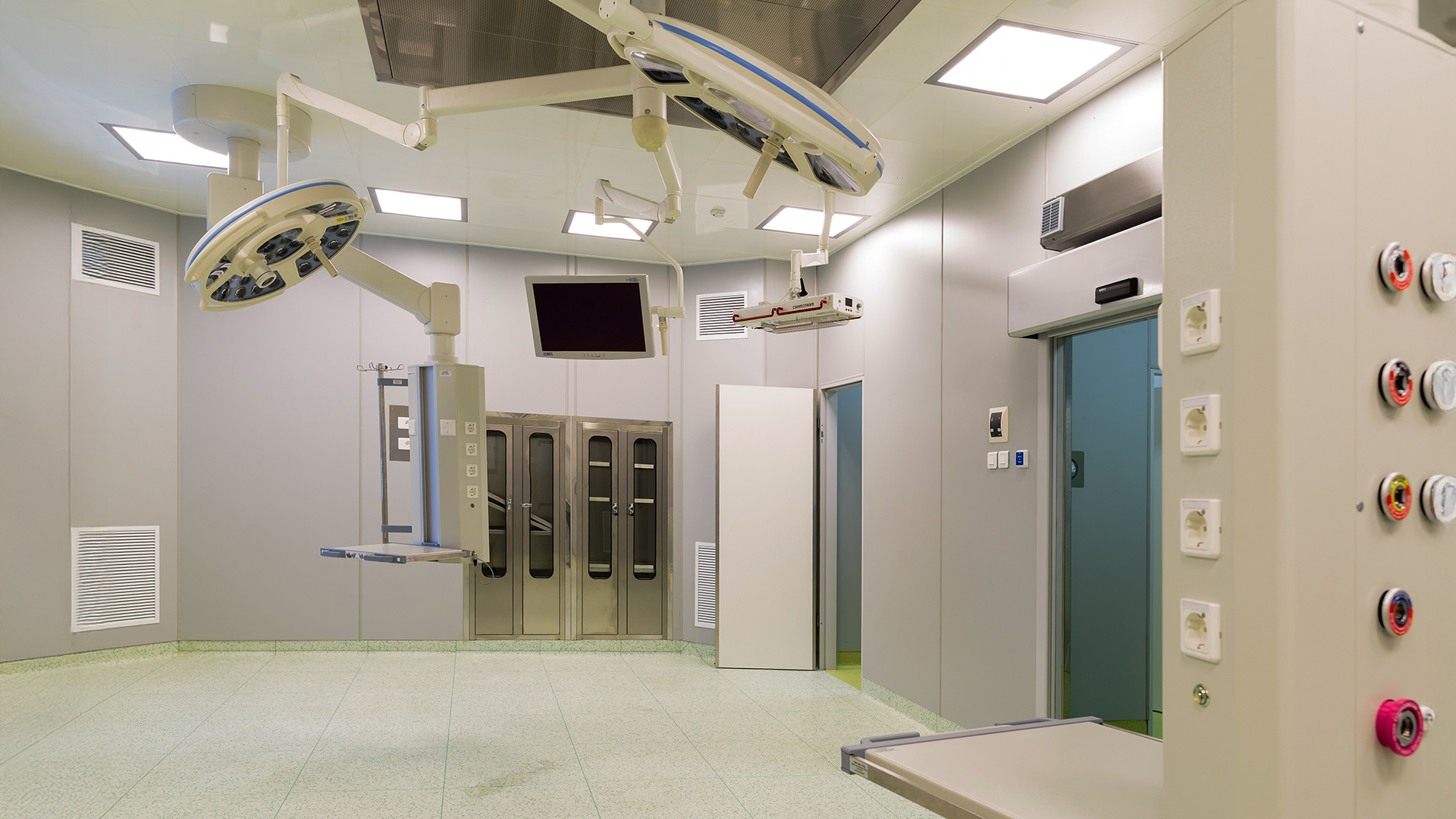
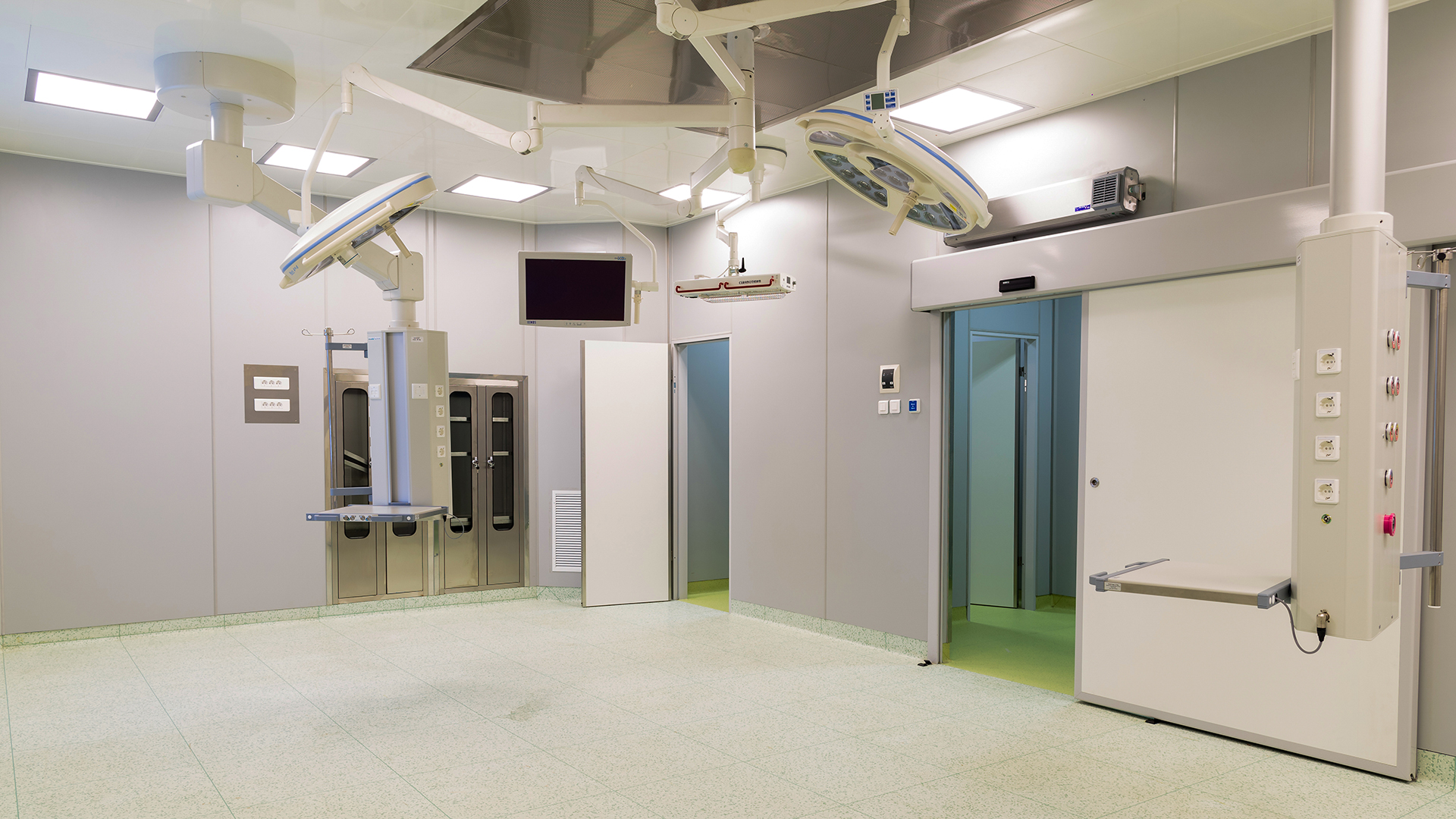
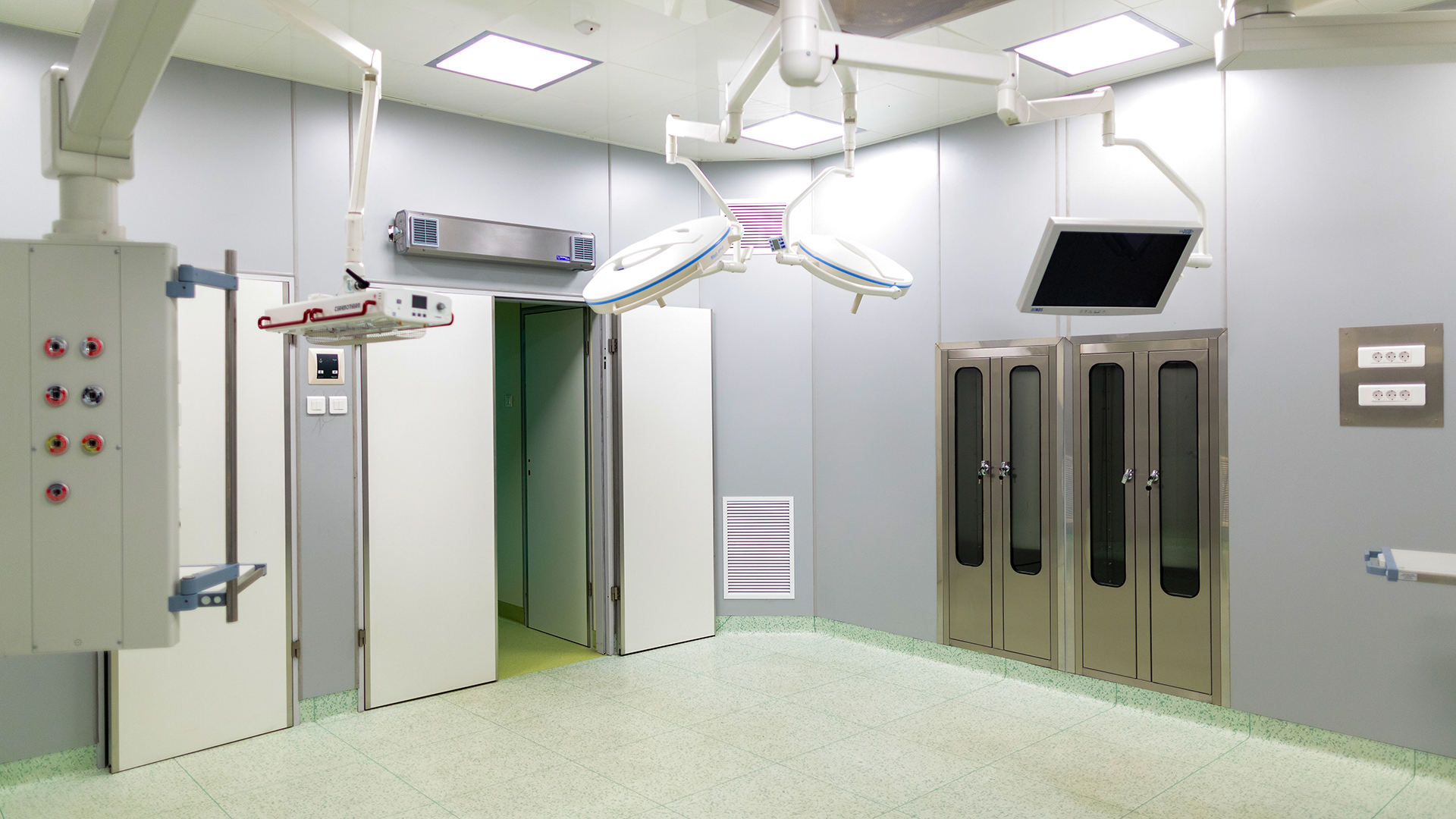
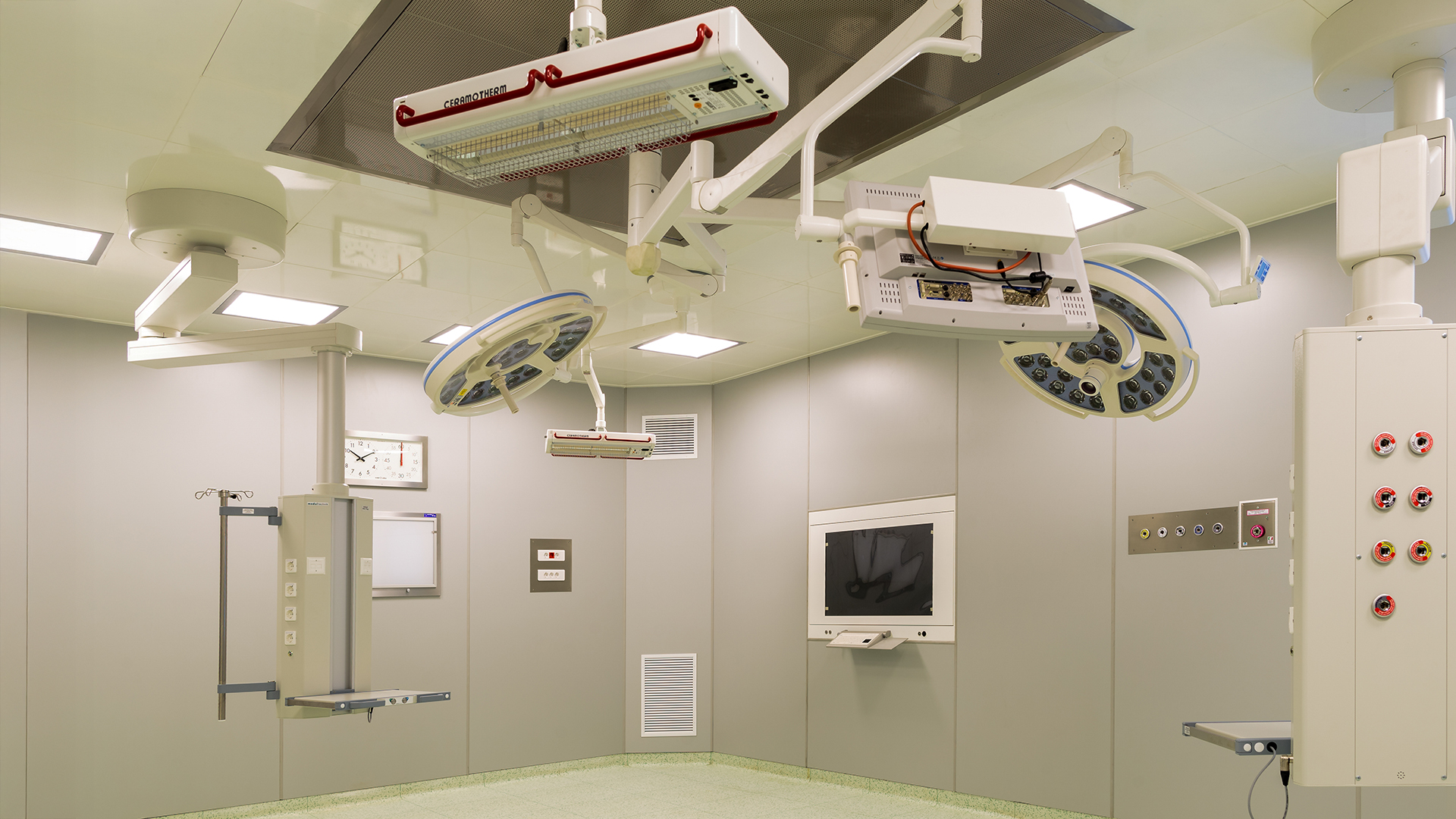
The operating rooms were developed to support surgical activity in a controlled, hygienic and functional environment. The project included the construction of walls and ceilings using a cleanroom system, as well as the integration of medical doors and built-in accessories.
Main components:
The configuration of these spaces aimed to create a coherent operating environment, where hygiene, flow control and technical integration contribute to the safety of medical care.
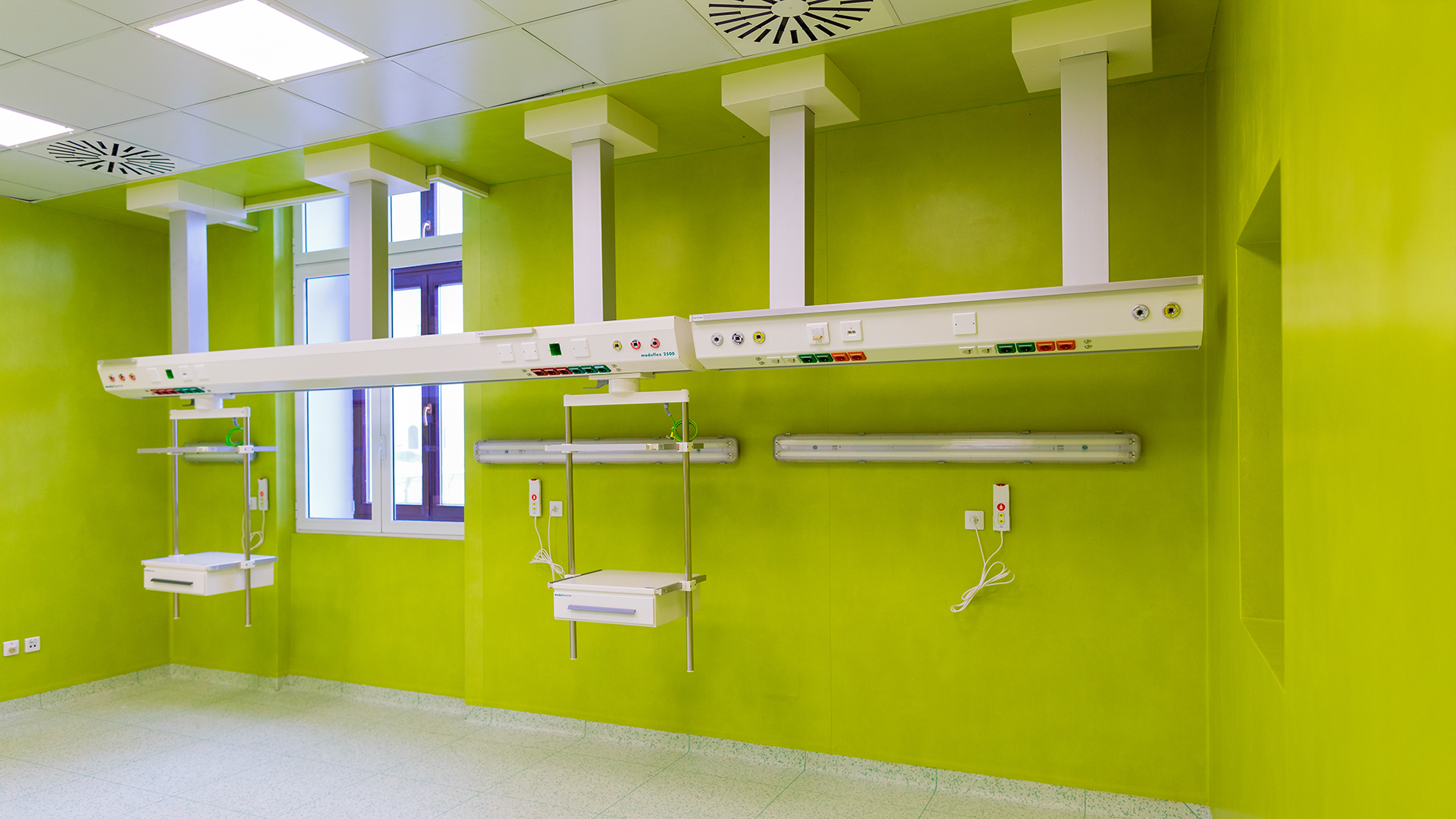
The postoperative monitoring rooms were configured for the supervision of patients after surgery, in a space organized for rapid access, continuity of care and efficient medical team activity.
Integrated elements:
These areas were designed to support the patient’s transition from the operating area to postoperative care, with a focus on safety and rapid response.
The isolation boxes for severe burn patients were one of the specialized components of the project. These spaces were developed for patients with severe burns, where environmental control, hygiene, thermal comfort and infrastructure safety are essential.
Main directions:
In this type of space, infrastructure directly contributes to the quality of care, patient protection and the support of medical procedures carried out under controlled conditions.
The project also included the integration of a hydrotherapy unit dedicated to washing, care and treatment preparation for patients with severe burns. This component is important within the department’s clinical flow, as it supports specific hygiene, treatment and patient preparation procedures.
The space was configured for specialized medical use, with attention to functionality, access, safety and integration into the overall care pathway for critically ill patients.
The sterilization and hospitalization areas completed the clinical infrastructure of the project, contributing to the coherent operation of the entire department. These areas were designed to support daily activity, medical flows and hygiene requirements specific to a modern hospital environment.
Integrated support areas:
The intervention carried out within the Plastic and Reconstructive Surgery Clinic of “Sf. Spiridon” County Emergency Hospital Iași reflects Dacorum Grup’s capacity to deliver integrated solutions for medical spaces with high complexity requirements.
Through this project, construction, medical fluid infrastructure, support equipment and the organization of clinical spaces were aligned into a functional system dedicated to surgical activity, postoperative monitoring and the care of patients with severe burns.
Safe, specialized and functional medical spaces, adapted to the real needs of medical staff and patients.
Implementation period: 2021