+40.232.261.950
office@dacorumgrup.ro
Bd. Chimiei, no. 89, Iași, România


“Sfântul Ioan cel Nou” County Emergency Hospital Suceava is one of Romania’s modern medical units, an example of how medical infrastructure, technology and the organization of clinical spaces can contribute to improving the quality of healthcare.
Through investments in medical spaces, equipment, technical infrastructure and medical furniture, the hospital has developed an environment focused on patient safety, medical team efficiency and the coherent operation of departments with complex activity.
Within this project, Dacorum Grup contributed through design, execution, integration, consulting and equipment supply activities across several essential areas of the hospital: operating block, ICU departments, Emergency Department, hospitalization areas, palliative care, sterilization and specialized clinical departments.
The project included works for medical spaces with different requirements, connected by the same need: safe, functional infrastructure adapted to daily medical activity.

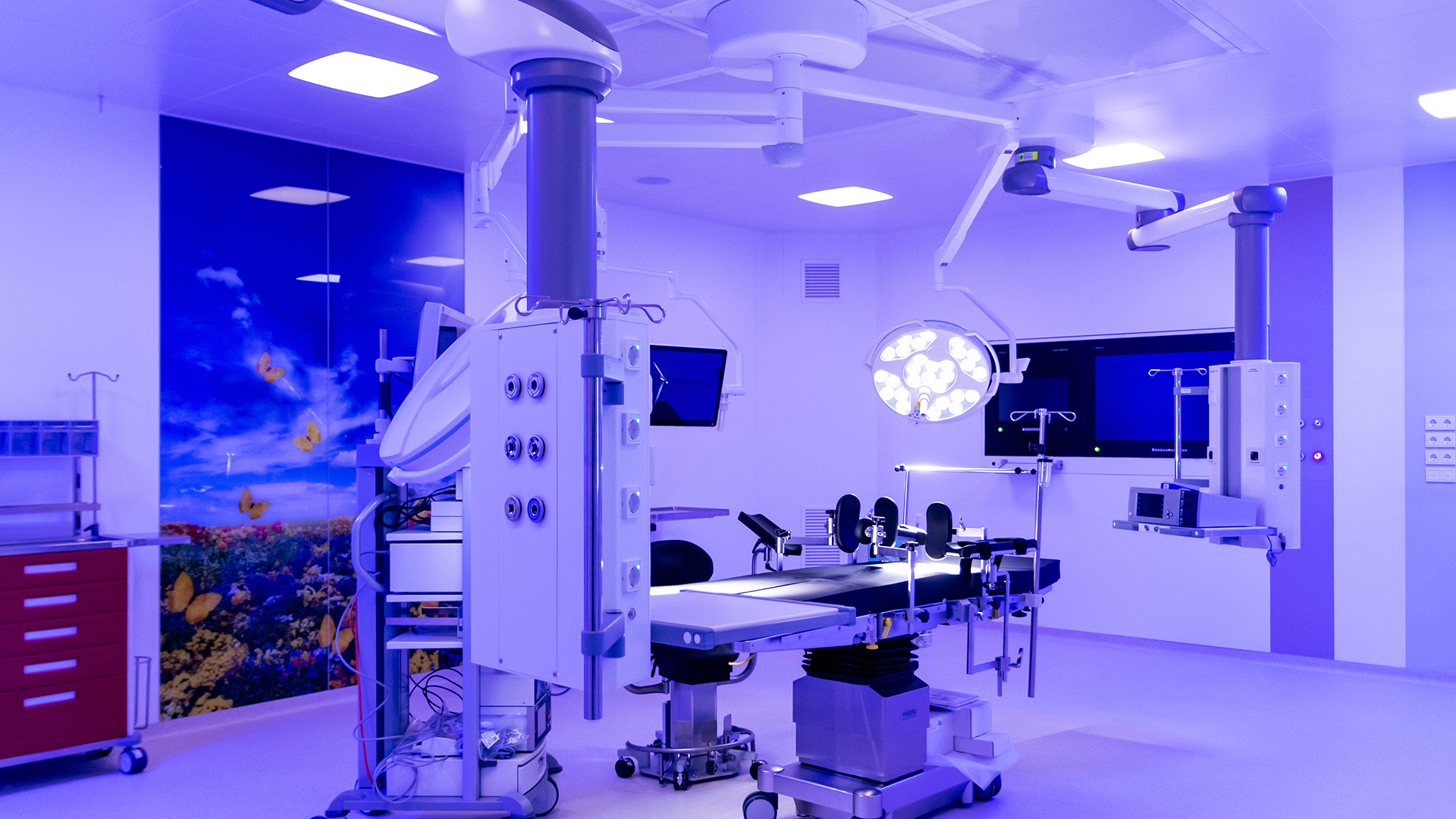
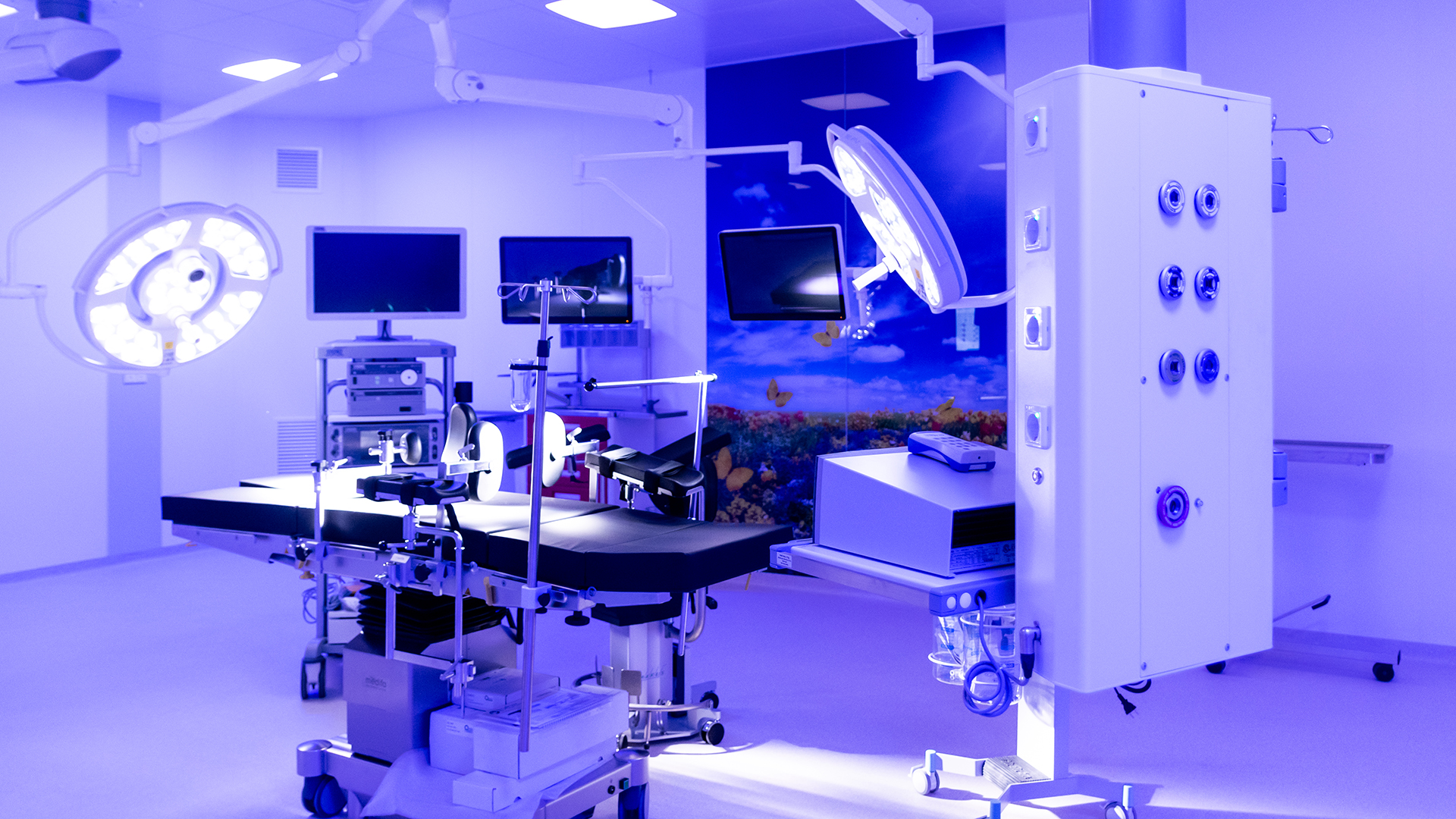
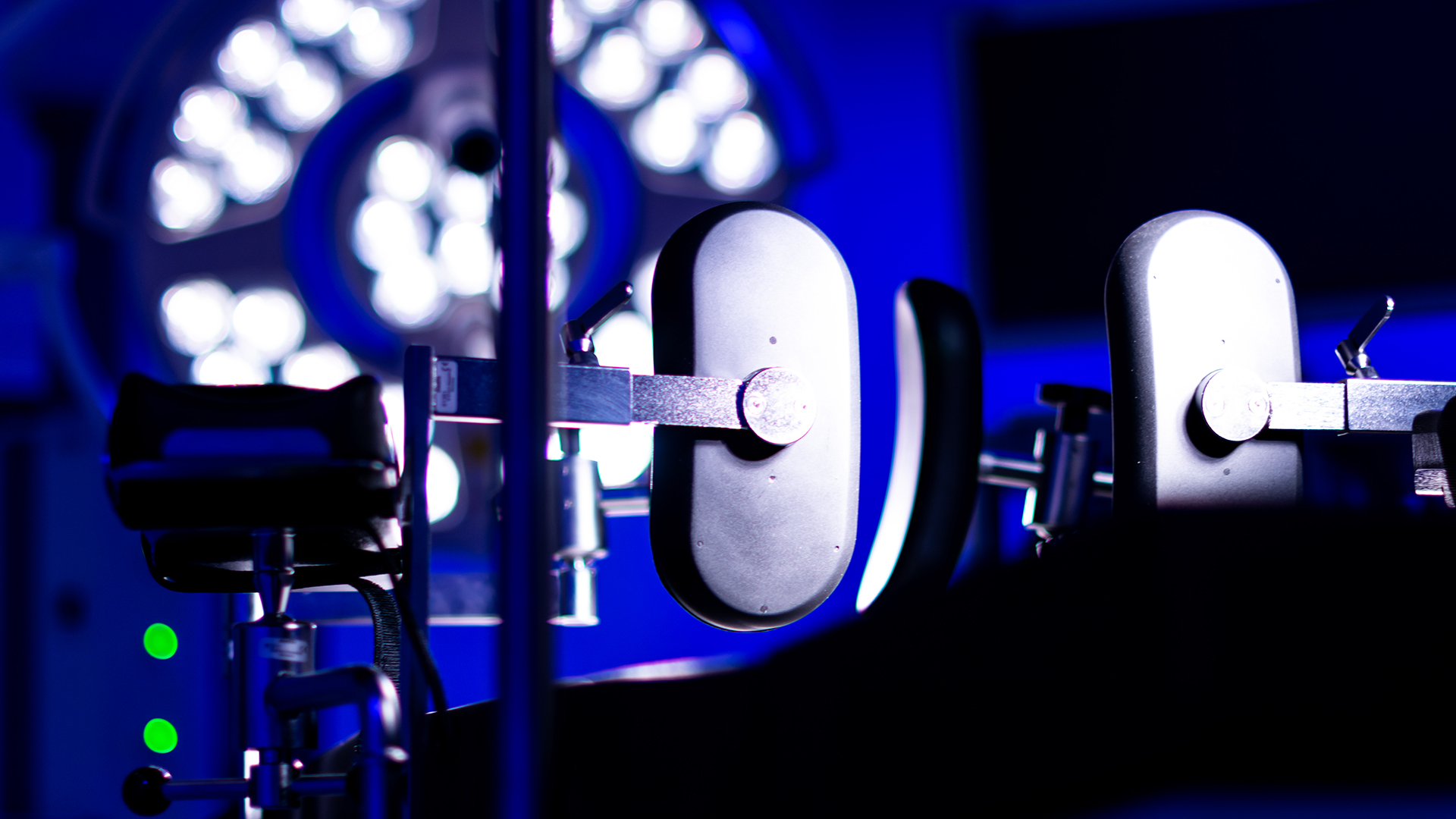
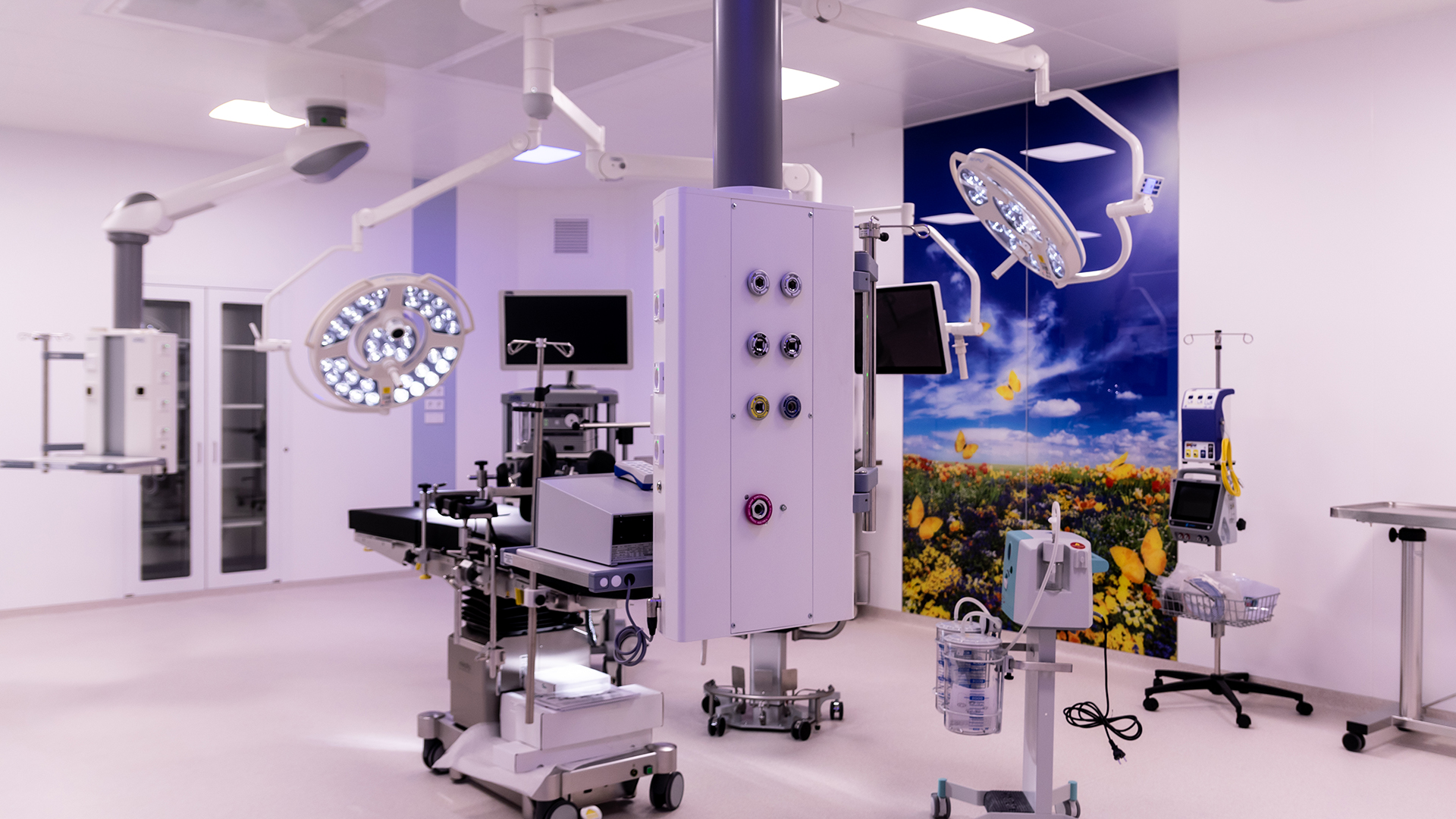
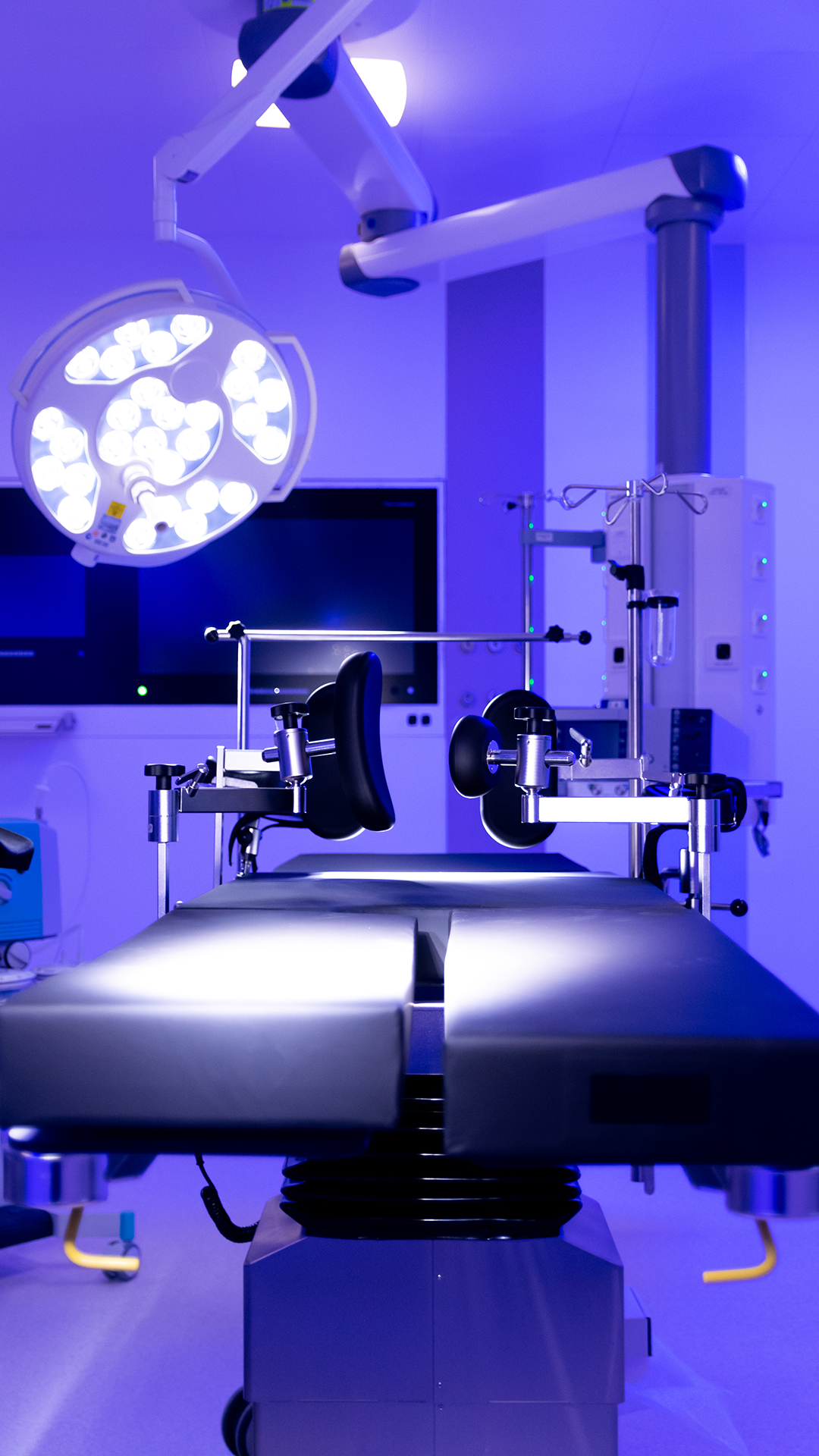
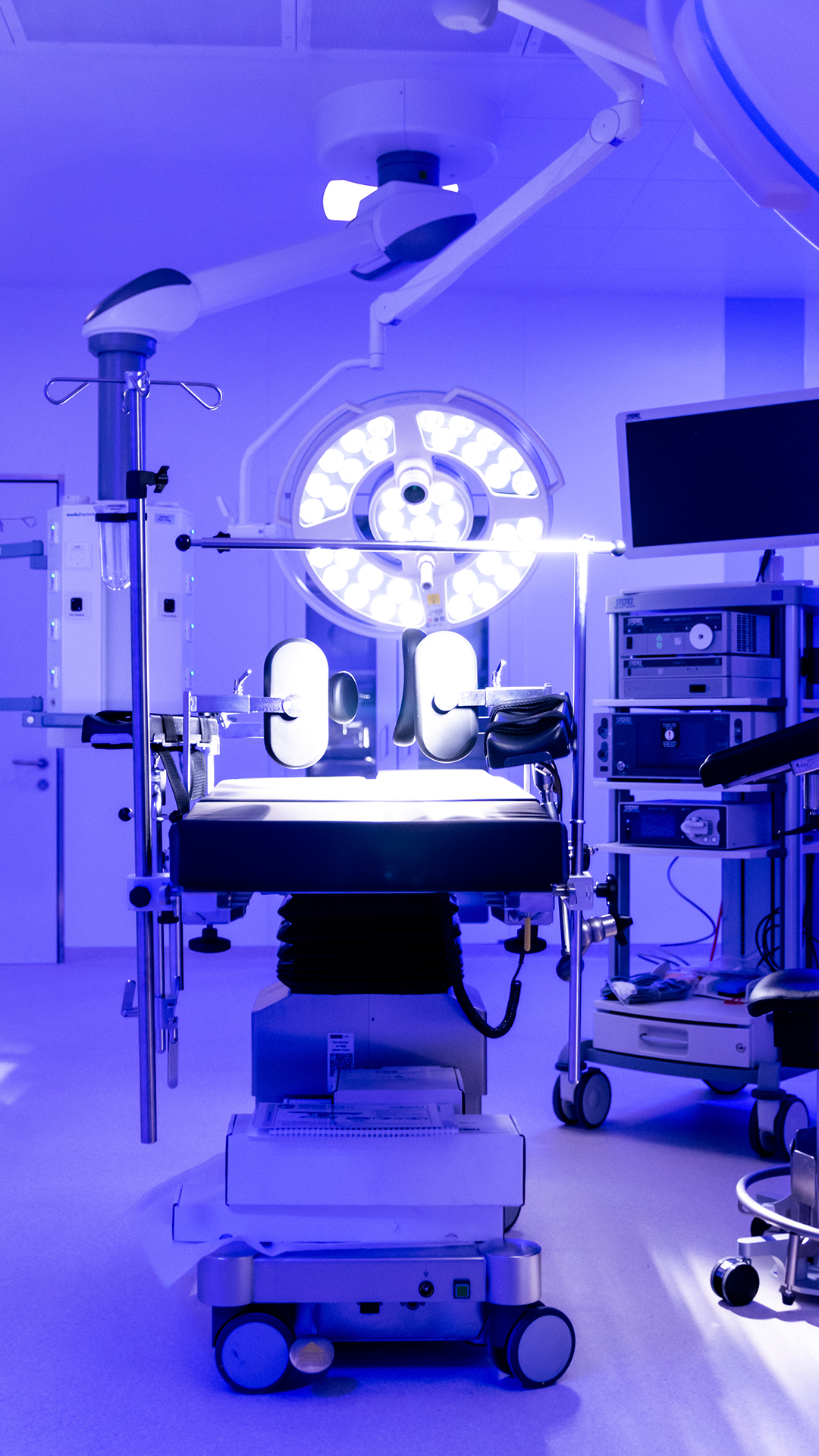
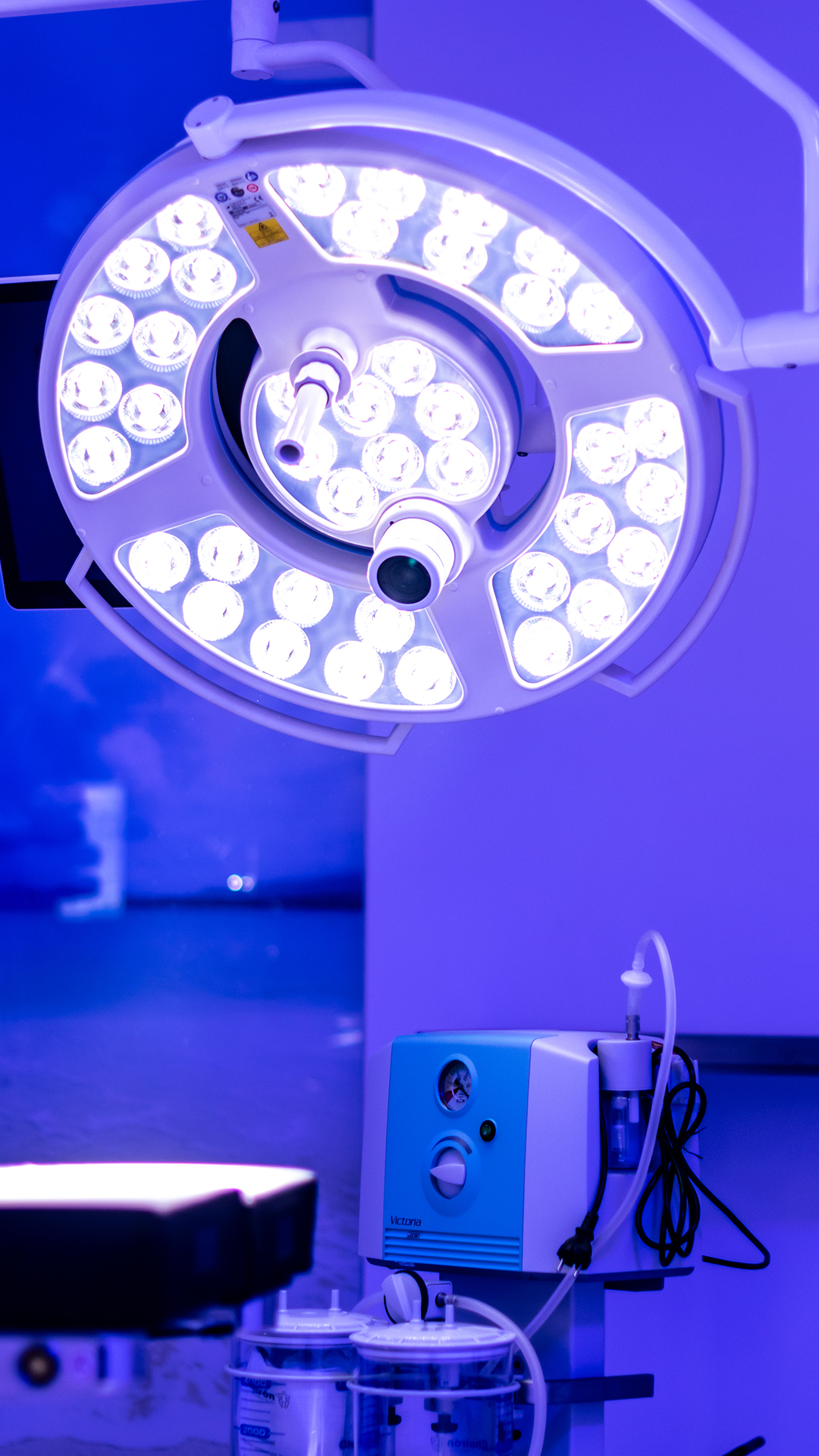
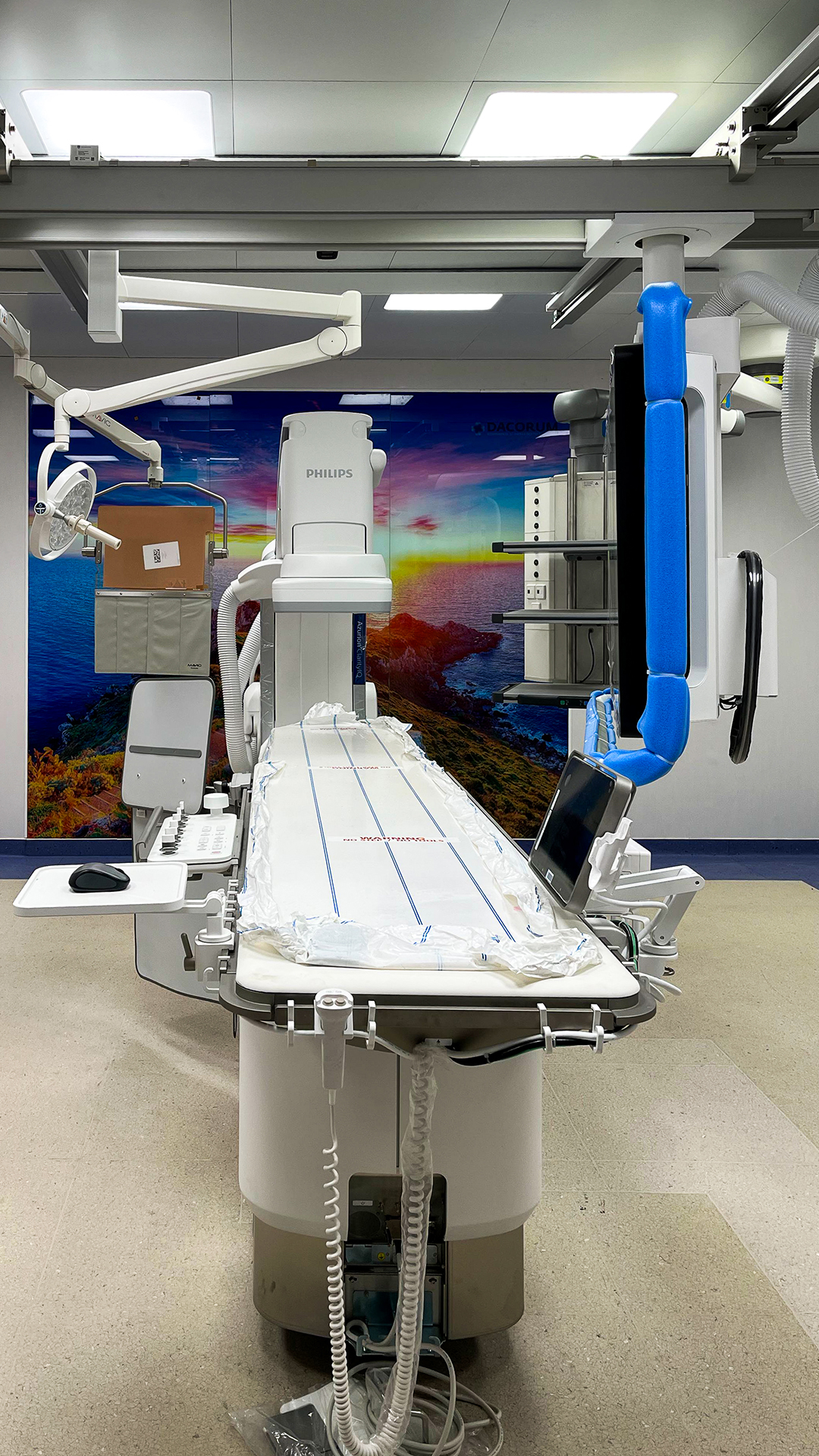
The operating block was developed as a complex medical space where infrastructure, equipment, lighting, flows and ergonomics must work together. The project images highlight modern operating rooms with ceiling-mounted pendants, surgical lights, technical panels and surfaces adapted to the requirements of a controlled environment.
Integrated elements:
Through this intervention, Dacorum Grup contributed to the configuration of a functional operating block, adapted to complex procedures and current requirements for safety, hygiene and efficiency.
The General Surgery and Neurosurgery ICU departments were designed for the care of critical patients, where rapid access, continuous monitoring and stable medical infrastructure are essential.
Implementation directions:
These spaces support medical teams in areas where response time, ergonomics and infrastructure reliability have a direct impact on healthcare delivery.
The Emergency Department was included in the project as a critical area for patient reception and assessment. In an emergency department, spaces must support rapid flows, easy access to equipment and clear organization for medical staff.
Key objectives:
Through the integration of these solutions, Dacorum Grup contributed to the development of a space prepared for intense medical activity and high-urgency situations.
The hospitalization areas and the Palliative Care Department were developed to support patients throughout their inpatient stay, with attention to comfort, safety and functionality.
Important components:
In these areas, infrastructure must contribute both to the efficiency of medical activity and to the creation of a safer and more comfortable environment for patients.
The Sterilization Department plays an essential role in supporting surgical and clinical activity. The project focused on integrating a functional support area capable of sustaining the workflows required for the preparation, processing and use of medical instruments.
Role of the sterilization department:
Through this component, the project contributed to the creation of a better organized medical system, where support areas directly sustain core clinical activity.
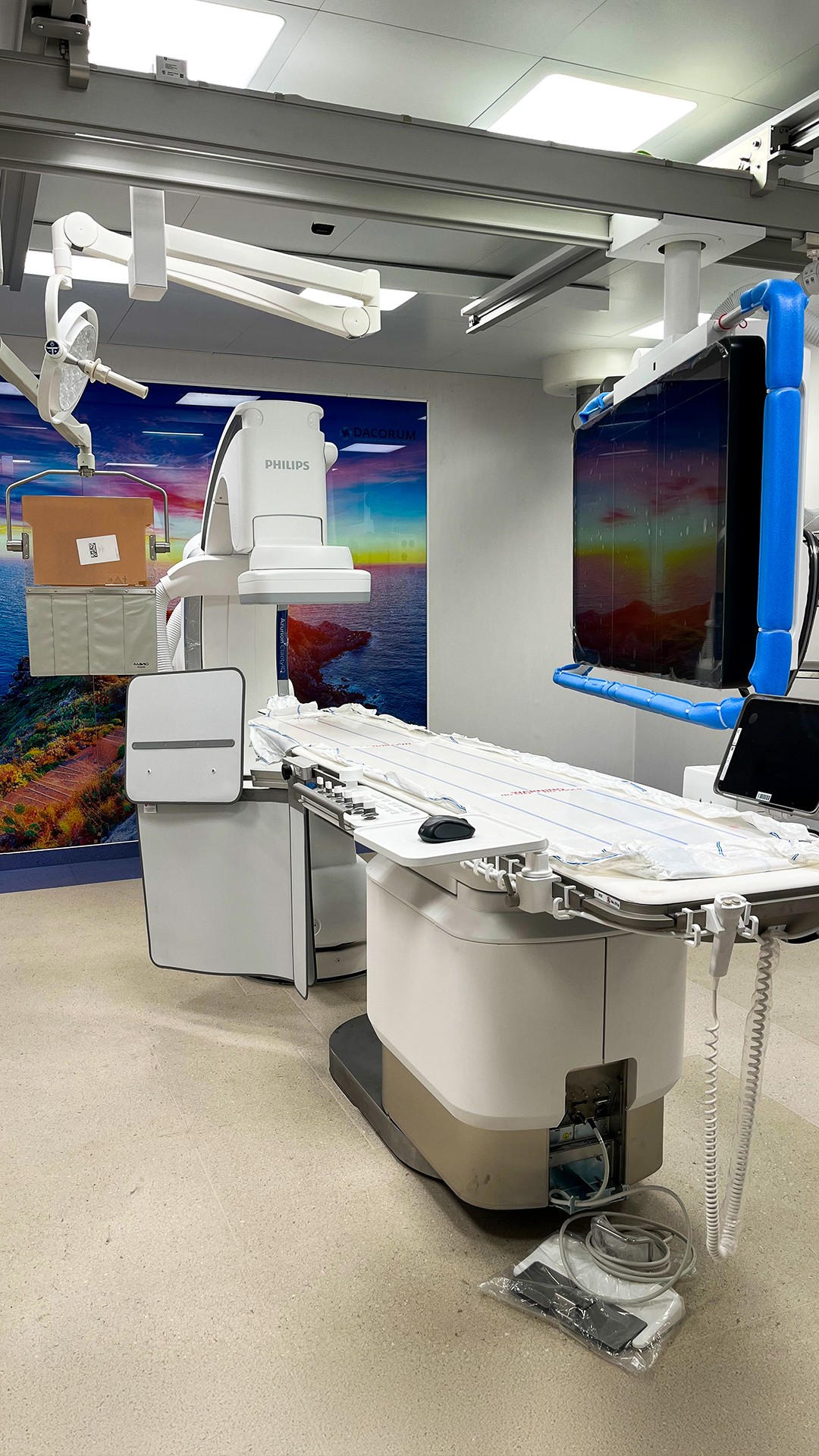
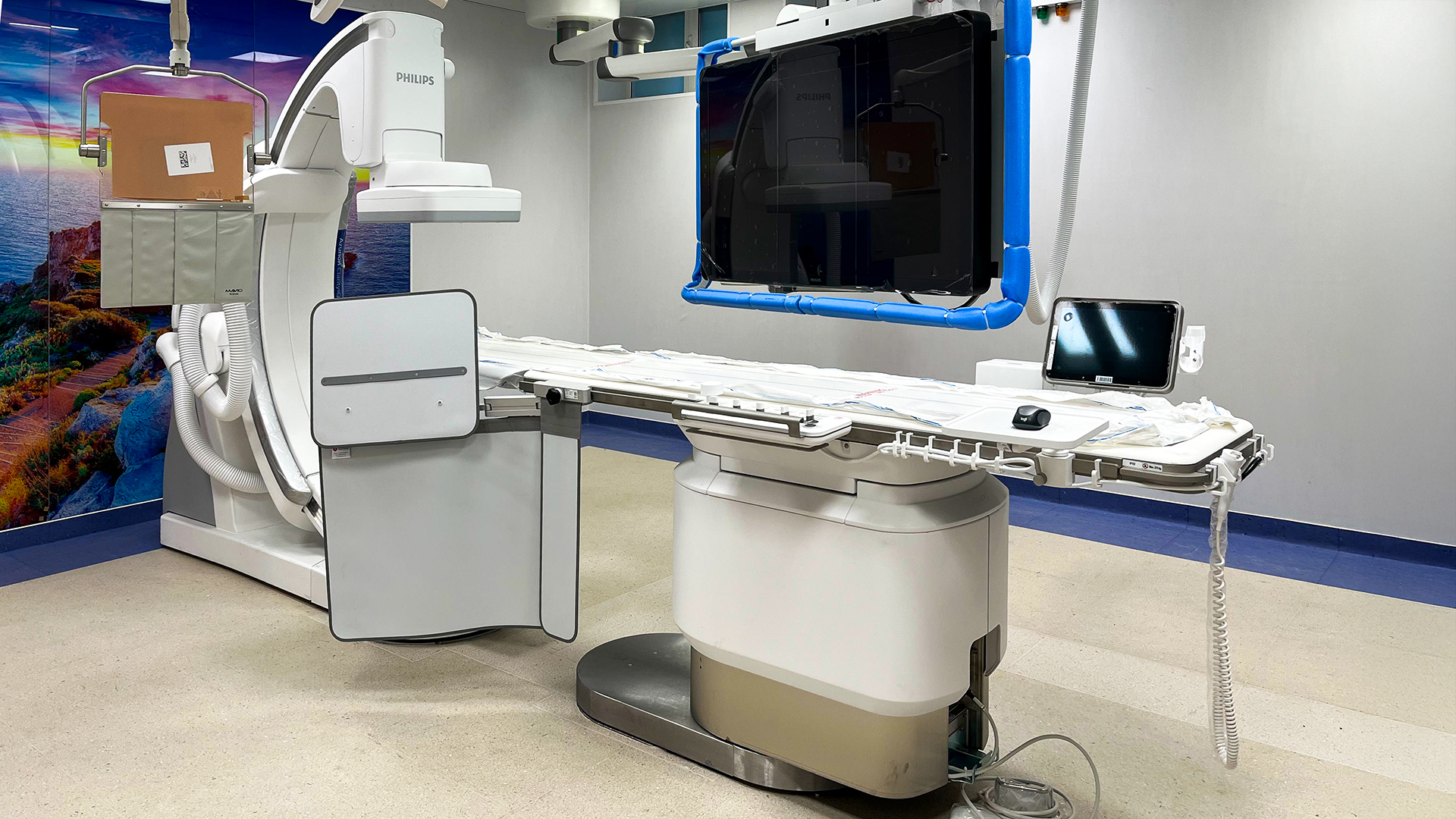
The project also included interventions in the Neurosurgery, Urology and Cardiology departments, each with specific requirements regarding infrastructure, equipment and space organization.
Clinical areas included:
These departments complete the medical scope of the project and reflect the integrated approach required by a county hospital with complex activity and regional patient coverage.
The intervention carried out within “Sfântul Ioan cel Nou” County Emergency Hospital Suceava reflects Dacorum Grup’s capacity to deliver integrated solutions for complex medical units, where design, execution, technical infrastructure, equipment and clinical flows must work together.
Through this project, Dacorum Grup contributed to the development of modern, safe and functional medical spaces dedicated to surgery, intensive care, emergency medicine, hospitalization and clinical specialties with high infrastructure requirements.
An integrated medical environment, adapted to the real activity of medical staff and the needs of patients.